8.8 oz250 GRAMS
$9per bottle
- Miles flown~30,000
- Flowers visited~1.1 million
- ForageMixed wildflower
◆Montezuma, Iowa / Est. 2024
Raw, unfiltered wildflower honey from six hives on family ground. No extra additives or ingredients.
Bees working right now
—
Miles flown per pound of honey
Roughly 2× around the earth
Hives on the acreage
One apiary, one keeper, all worked by hand
Additives or industrial processing
No heat, no fine filtering, nothing added
◆01 / The honey
Raw and unfiltered, and from a variety of wildflowers — the bees forage on countless flower species. The taste depends entirely on what was blooming when they stored it in the hive.
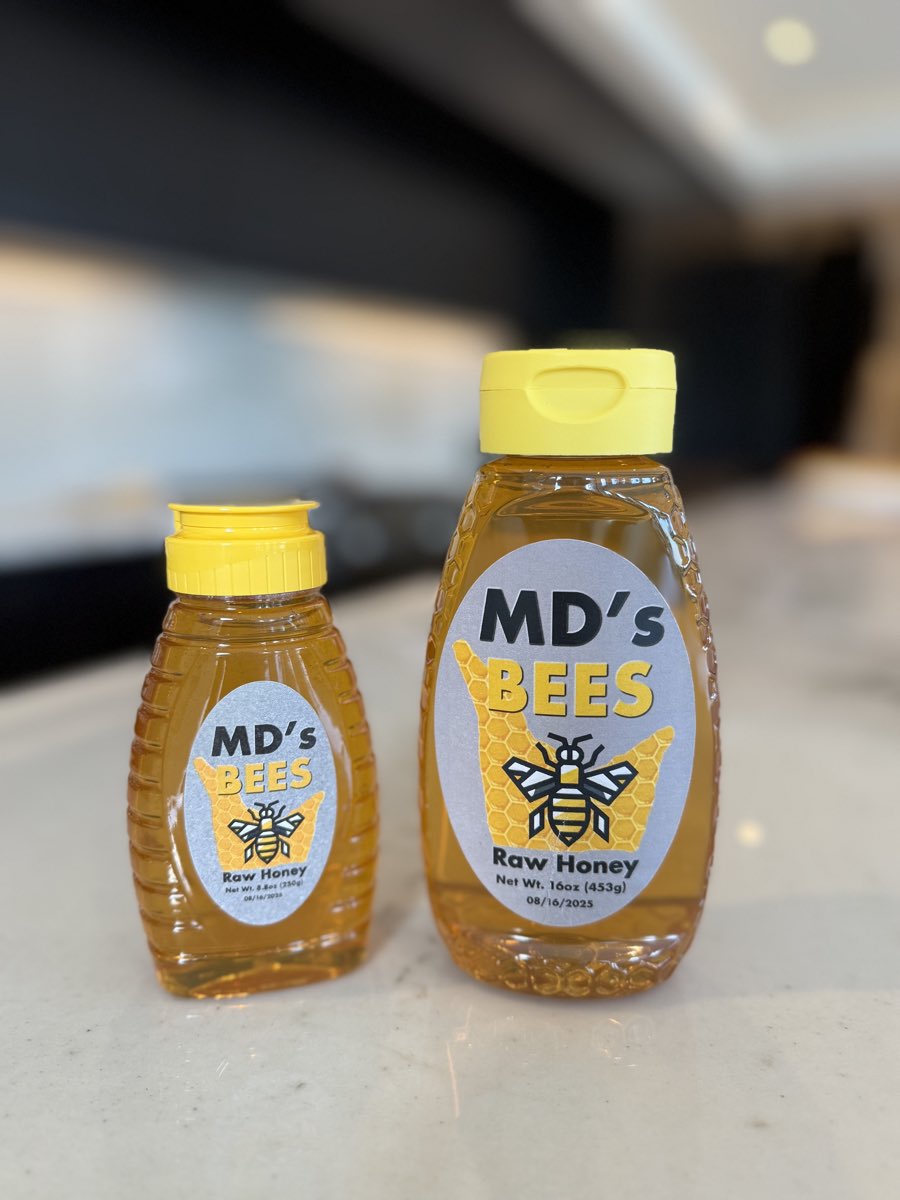
$9per bottle
$15per bottle
Sold direct. No farmers markets, no middleman, no distributor. Message me to reserve one or ask what’s left from the last pull.
Message me →◆02 / Where it comes from
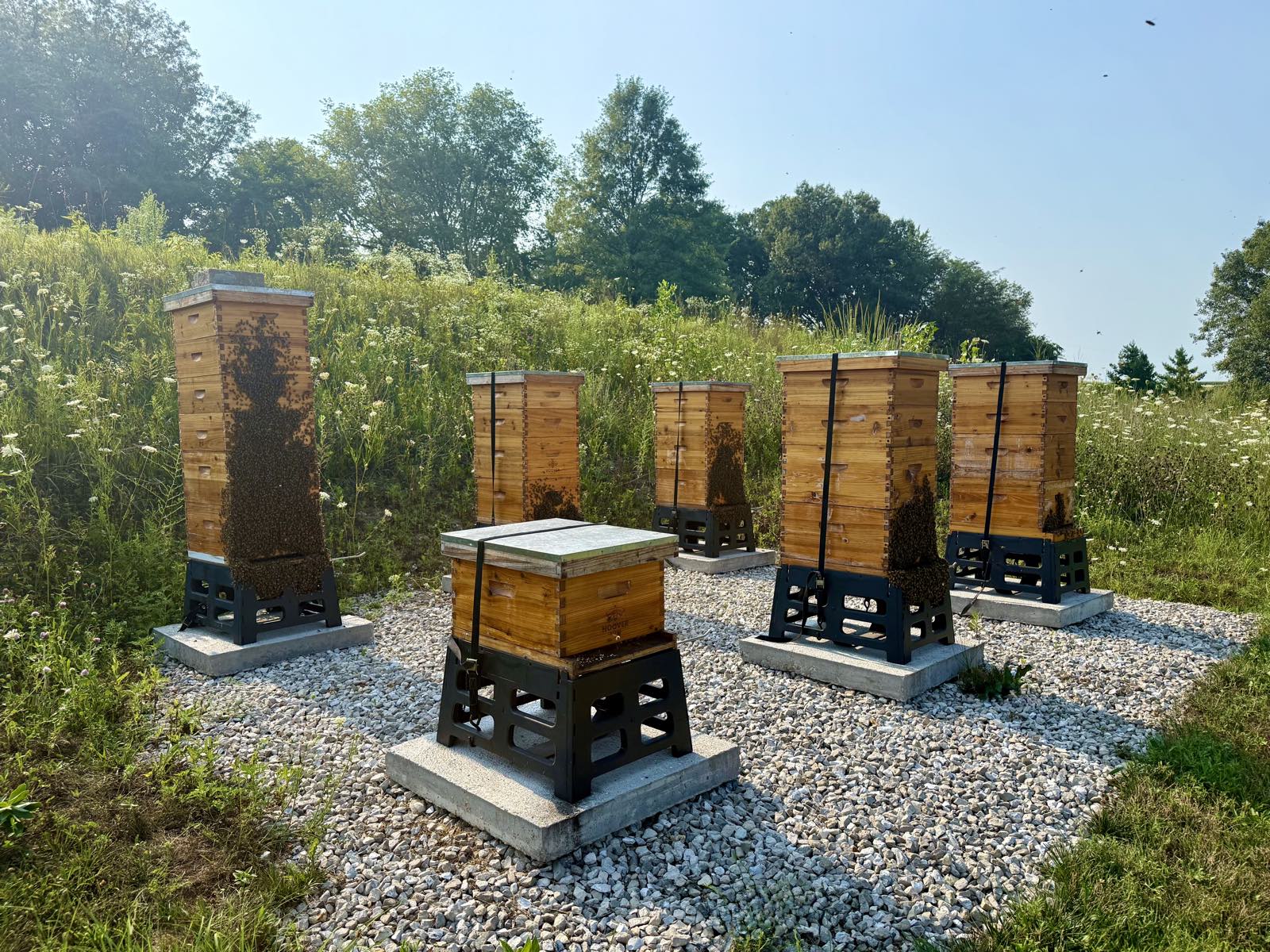
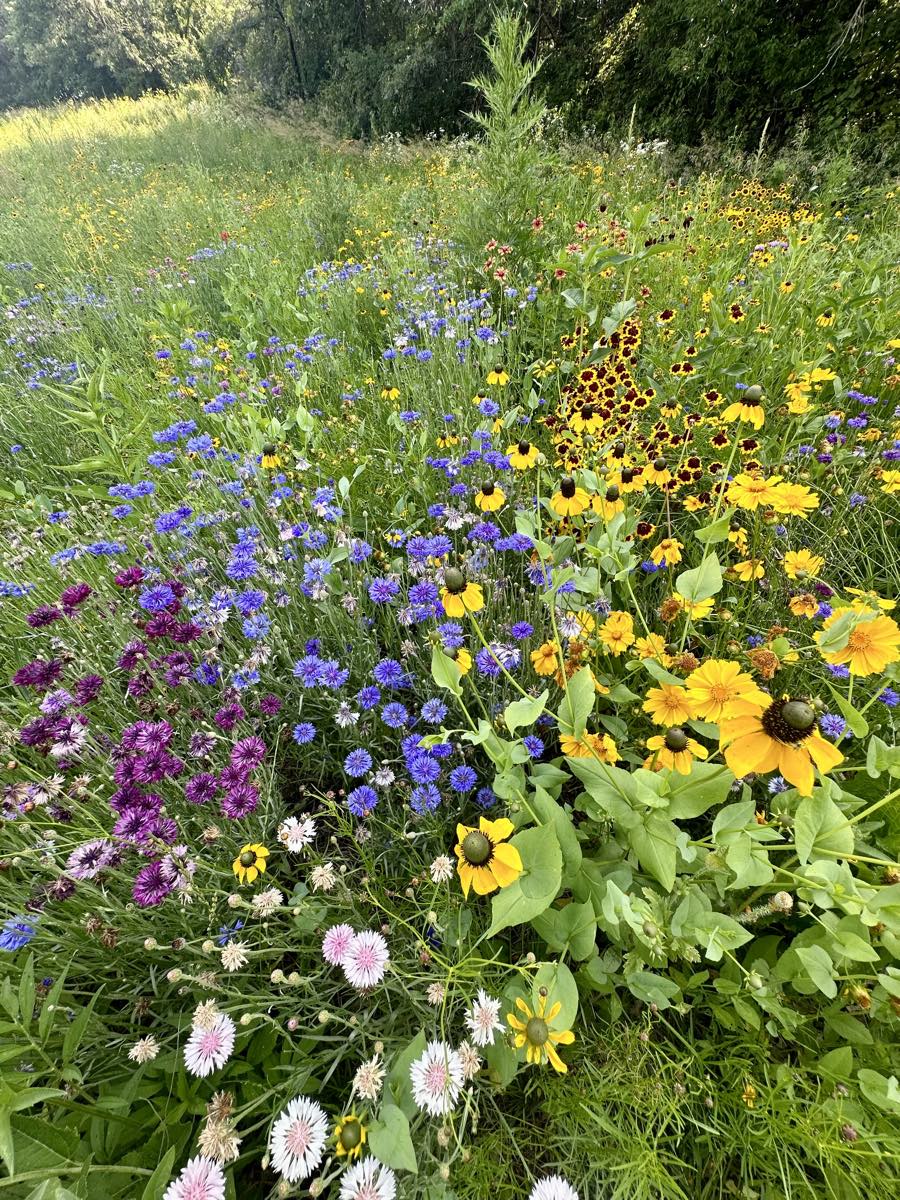
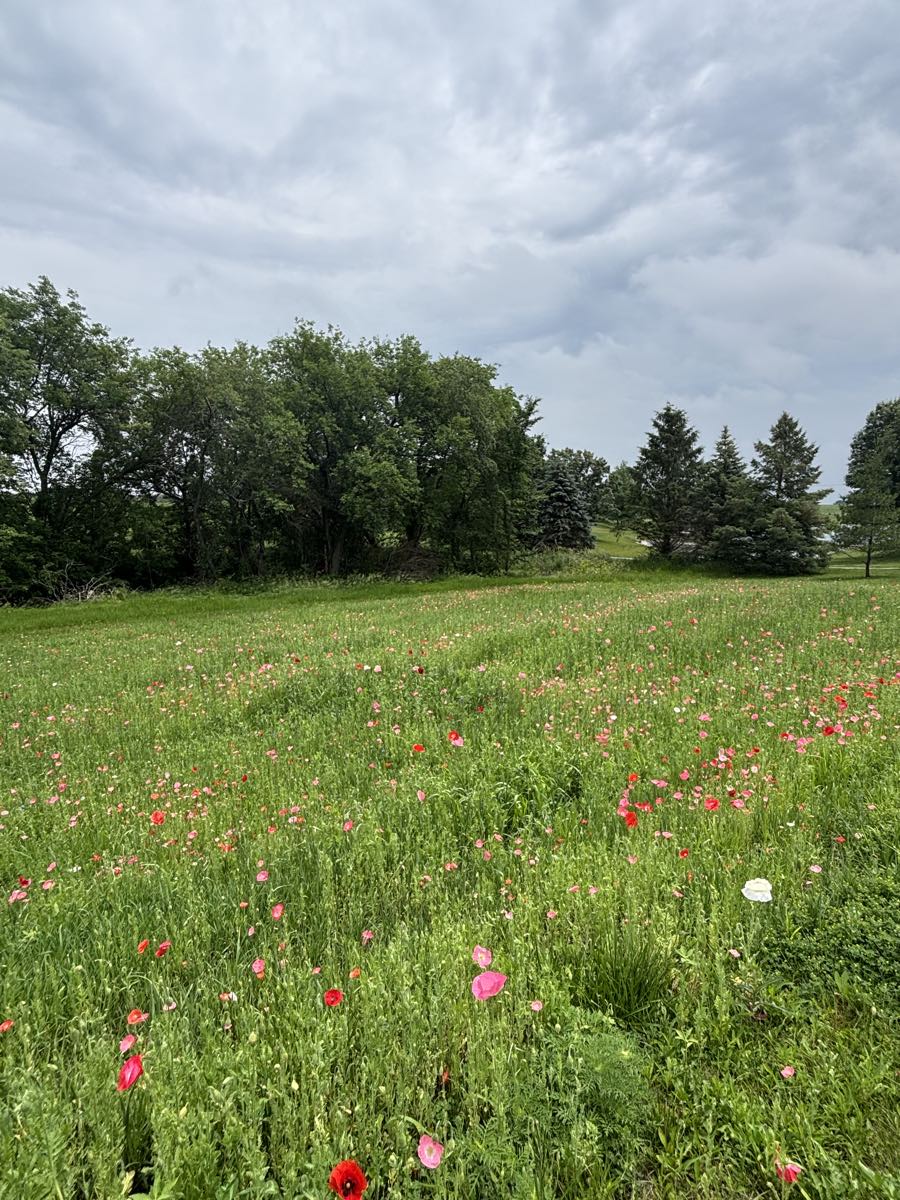
The hives sit on family ground outside Montezuma, ringed by perennial wildflowers and bordered by acres of CRP — conservation land planted in native grasses and flowering cover.
That mix is why the honey changes through the season. Spring honey runs light and mild off the early bloom; by fall it darkens and deepens as the goldenrod and aster come on. Same hives, different month, different colour.
Colour of the honey, January to December
◆03 / The story
In the spring of 2024 I needed a few more credits to stay a full-time engineering student at Iowa State. I signed up for ENT 3580 — Bee Biology, Management, and Beekeeping — because it sounded like a fun, laid back class. But what I didn’t expect was to absolutely love it.
The course taught bee biology and hive management side by side, with hands-on hours as part of the curriculum. Getting to see and experience real bee colonies in action, paired with working the actual honey extraction process, inspired me to try it for myself.
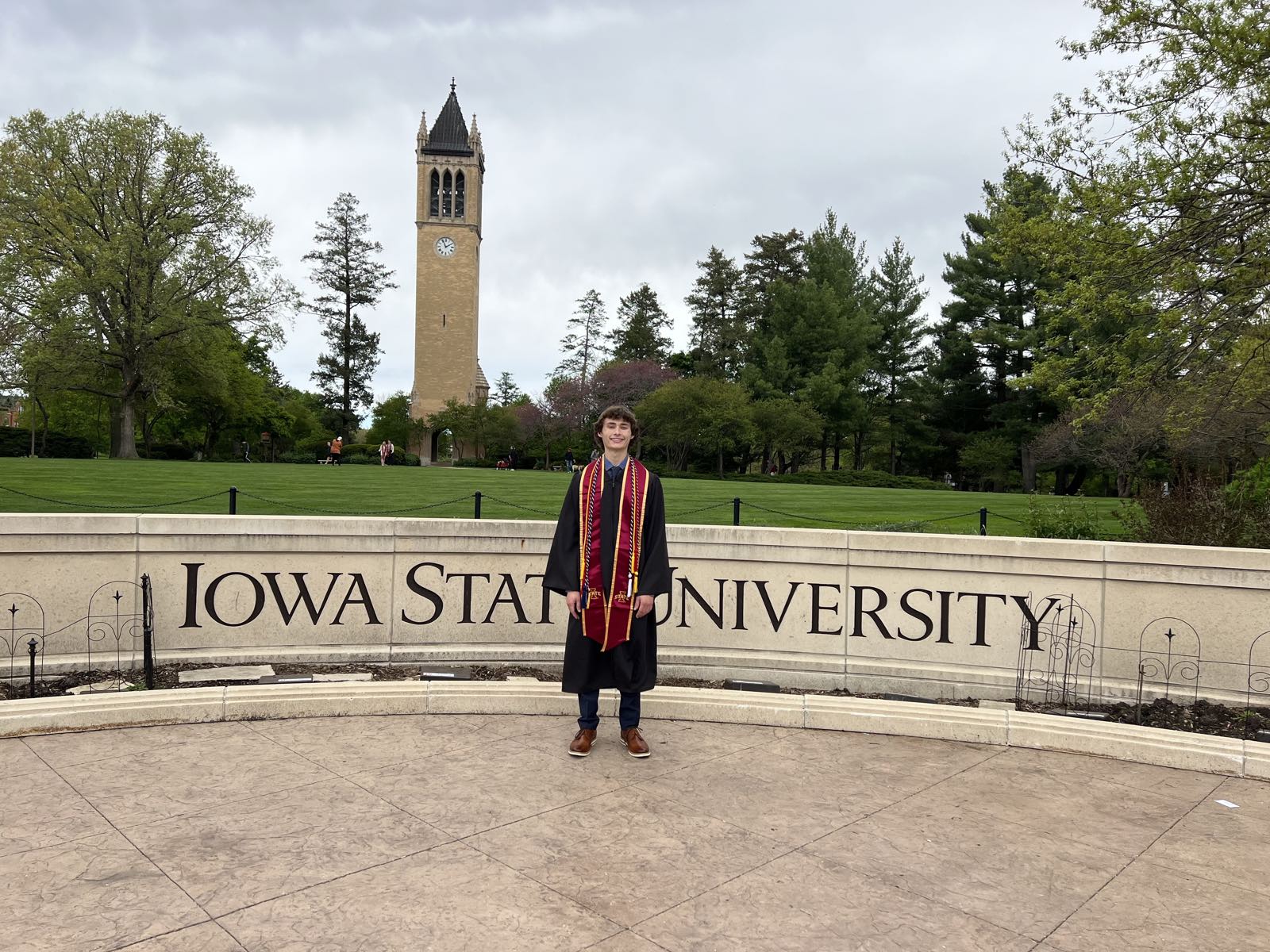
I started with 4 hives and slowly grew to 6, but it was not about growing the numbers, rather it was becoming a better beekeeper and understanding how to read and manage a colony more effectively. I would not have succeeded without my mentors Patti and Margi. They were critical in getting me through my first years of beekeeping, and they helped me improve season over season.
Even outside the hive, I found a way to improve the bee’s local environment by planting wildflower seeds. The hives sit on my family’s acreage outside Montezuma, Iowa, ringed by perennial wildflowers and bordered by acres of CRP ground — conservation land planted in native grasses and flowering clover. For a honeybee it’s close to ideal: diverse forage, blooming spring through fall, right outside the hive entrance. The bees don’t have to travel far to find a variety of nectar sources.
I spent three years at Iowa State studying industrial engineering — the discipline of how systems, processes, and people fit together, and how to make them run better. When I opened a hive for the first time, I realized bee colonies were nature’s most perfected system.
Tens of thousands of workers divide labor by age, pass information through the comb, hold the brood nest within a degree of temperature, and reallocate the entire workforce when conditions change — with nobody issuing orders. No manager, no schedule, no waste. Nature’s most perfect system.
My engineering background and the incredible mentorship I’ve received have gotten me where I am today. But at the end of the day, the work wouldn’t be possible without the bees.
◆04 / Get in touch
Everything is sold direct — $9 for the 8.8 oz, $15 for the 16 oz. Tell me which size you’re after and how much you want, and I’ll be in contact to arrange payment and pickup details.